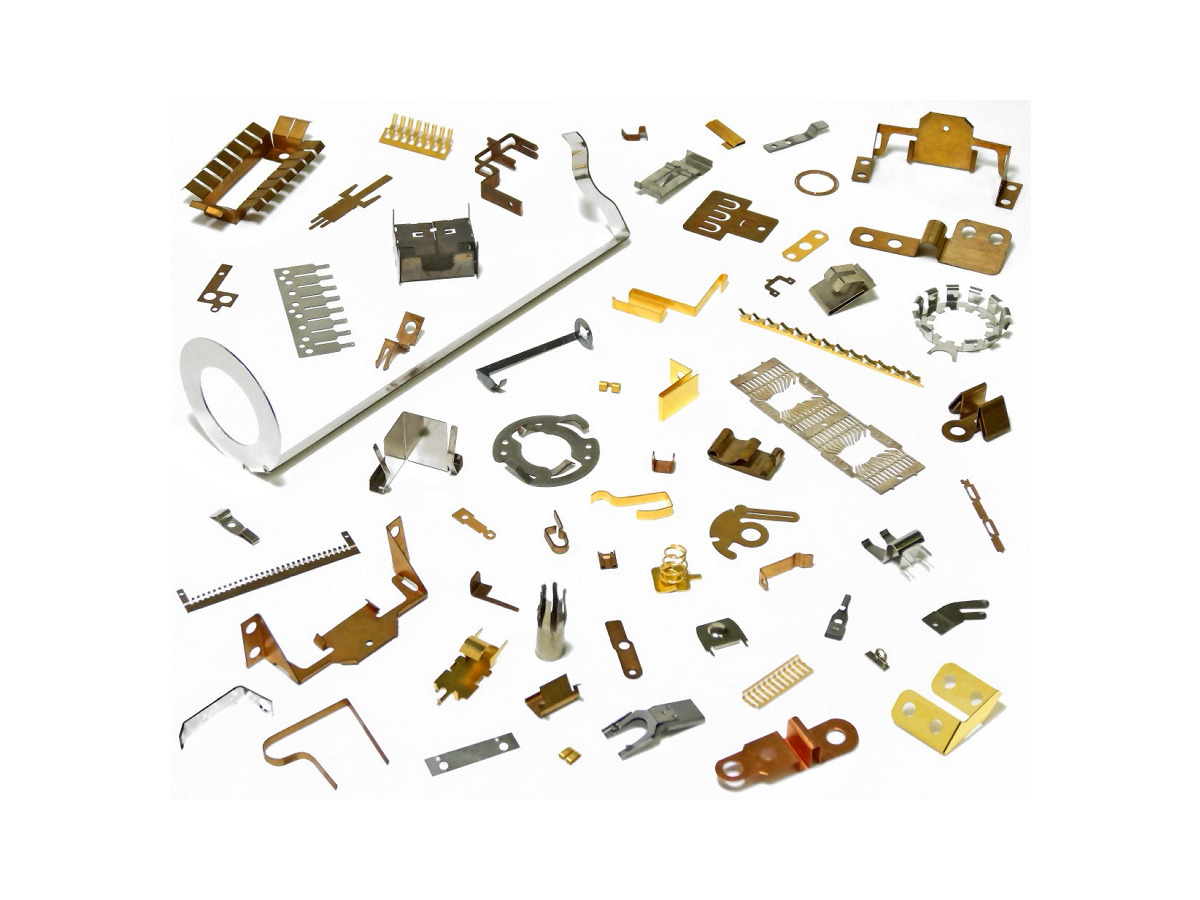
Contact Springs
A contact spring maintains a defined contact force between conductive parts so that electrical resistance stays stable as parts wear, heat up or vibrate. Material — for example copper alloy or stainless steel — plating and the force at the working position are chosen together.
Product Overview and Project Fit
Precision electrical contact springs for switchgear, connectors and control devices, with contact force, material and plating reviewed per application.
Precision elastic components for conductive connection, contact compensation, and stable contact force in electrical assemblies and control mechanisms.
- High Precision
- Anti-rust
- Small Batch
Applications
- Electronics
- Power Equip.
Processes
- Surface
- Testing
Drawing inputs to confirm
Use these family-specific inputs to prepare a drawing review covering geometry, service conditions and acceptance. Final parameters are agreed for your project.
- Mounting interface, contact geometry and permitted deflection
- Contact force at defined positions and electrical/environmental requirements
- Conductive material, plating/finish and contact-force acceptance
FAQ
What should be specified for a contact spring?
Specify the contact force at the working position, allowable resistance or current, operating temperature, material and plating, and the expected number of operations. These inputs are reviewed against the drawing before sampling.
What materials are used for electrical contact springs?
Phosphor bronze and beryllium copper combine spring properties with good conductivity; stainless steel 301/304 and nickel-plated spring steel are used where strength and cost matter more than conductivity. Tin, nickel, silver or gold plating is chosen for contact resistance, corrosion and solderability.
What is a battery spring contact?
A battery spring contact is a small coil spring, often conical, or a stamped spring clip that presses on a battery terminal. The spring absorbs length tolerance and vibration so the cell stays connected, and the contact force and plating keep resistance low over the product's life.
Related Articles and Selection Guides
Contact Us
Share your drawing, working load, material and quantity. We will help define the next step toward a manufacturable spring.